Safe and Effective Methods Professionals Use to Trim Tree Branches
Branch cutting services use safe and proven methods to remove tree limbs without harming the tree or property nearby. The right technique depends on branch size, tree type, and location. Professionals focus on clean cuts, proper angles, and safe lowering methods to protect people and structures. When done correctly, trimming improves tree health and reduces safety risks.
Quick Overview of How Branch Cutting Works
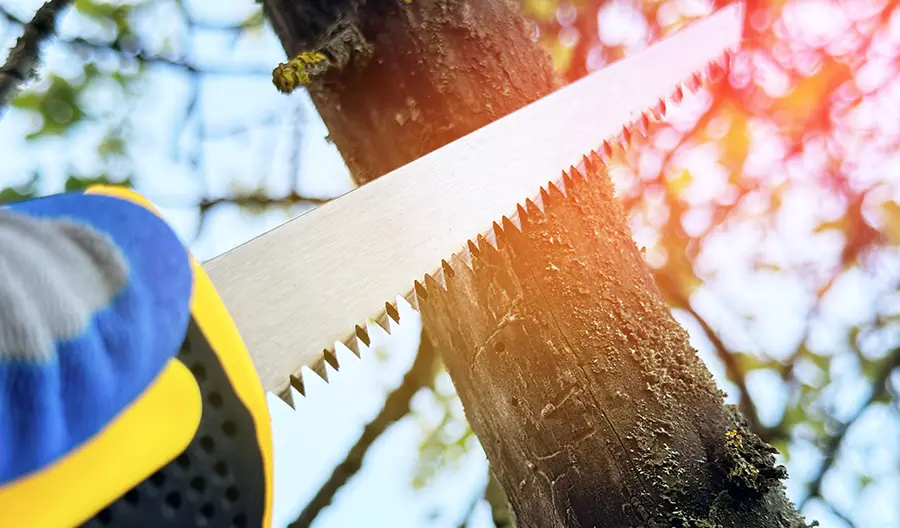
A branch cutting service starts by inspecting the tree. The goal is to find weak, dead, or overgrown limbs. Next, the cutter chooses the right tools and cutting method. Small branches may need hand pruners. Thick limbs often require chainsaws and rope systems. Each cut is made with care to help the tree heal and to prevent bark damage.
What Professionals Check Before Cutting
Before any branch is removed, a few key things are reviewed. This helps avoid damage and injury.
- Branch size and weight
- Tree health and stability
- Nearby homes, cars, and power lines
- Wind and weather conditions
- Access around the tree
In many tree care and maintenance jobs, planning is just as important as cutting. A poor plan can lead to falling limbs and property damage.
Step-by-Step Branch Cutting Process
Most branch cutting services follow a clear process to keep the work safe and neat.
- Make an undercut: A small cut is made on the underside of the branch. This stops the bark from tearing.
- Create a top cut: The second cut is made from the top, slightly farther out. The branch will begin to fall.
- Remove the stub: After the branch drops, the remaining stub is cut near the branch collar.
- Lower large limbs safely: For heavy branches, ropes and rigging are used to lower them slowly.
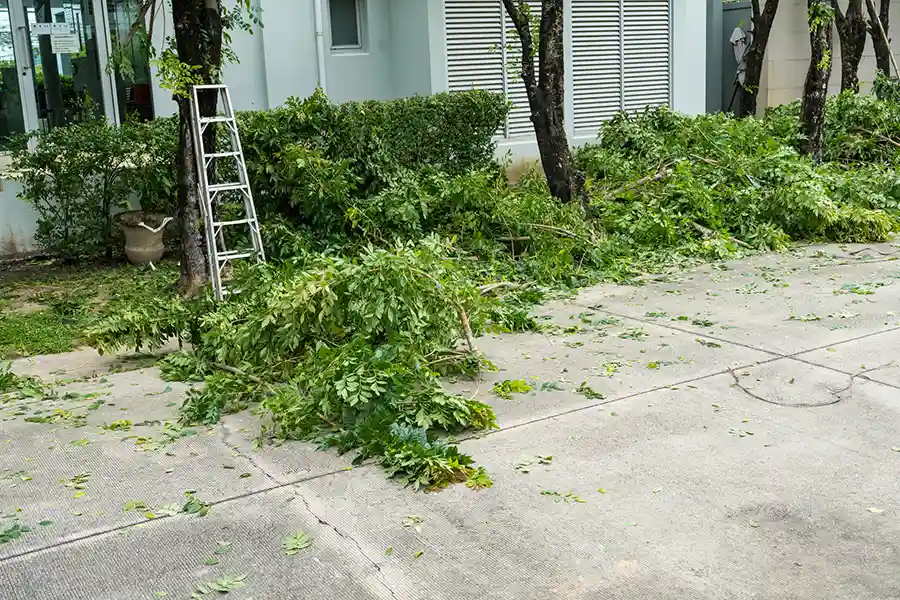
- Clean up debris: All limbs and small branches are cleared from the area.
This method protects the trunk and helps the tree recover faster.
Common Cutting Techniques Explained
Different situations call for different cutting styles. Here are some of the most common techniques used in a branch cutting service:
- Thinning: Removes select branches to allow more light and air through the canopy.
- Raising: Cuts lower limbs to improve clearance for driveways or sidewalks.
- Reduction: Shortens long branches to reduce weight and wind stress.
- Deadwood removal: Targets dead or broken limbs that could fall.
- Directional pruning: Guides growth away from buildings or wires.
Each method has a reason. For example, thinning helps healthy growth. Reduction lowers the risk of storm damage.
Common Mistakes to Avoid
Improper branch cutting can harm a tree for years. Some mistakes happen when people rush or use the wrong tools.
- Cutting too close to the trunk
- Leaving long stubs behind
- Removing too much of the canopy at once
- Using dull blades that crush the wood
- Ignoring safety gear
Over-pruning is a major problem. Trees need their leaves to create energy. Removing too many branches weakens the entire structure.
When to Call a Professional
Small branches under shoulder height can often be handled with basic tools. Large limbs are a different story. If a branch is near a power line, roof, or fence, expert help is the safest choice.
You should also call a branch cutting service if:
- The tree is very tall
- The branch is thicker than four inches
- The tree shows signs of disease
- You notice cracks in major limbs
- You do not have proper protective equipment
Professionals know how to control falling limbs and keep the tree healthy. They also understand correct pruning timing based on the species. Some trees should only be trimmed during certain seasons.
Get Expert Help for Safe and Clean Results
If you need help with branch trimming in Winchester, VA, I am ready to assist. At Javier Tree Company, I focus on safe cuts, proper techniques, and careful clean-up so your property stays protected. Call (540) 208-0012 today to schedule your branch cutting service or to ask questions about your trees.