
Simple Ways to Spot Problems Early and Keep Your Shrubs Healthy
To identify and address common shrub diseases, start by checking the leaves, stems, and soil for changes in color, texture, or growth. Look for spots, wilted leaves, powdery coatings, or dead branches. Once you spot the problem, remove affected areas, improve air flow, and adjust watering. Acting early can stop the disease from spreading and protect the rest of your yard.

What You Need Before You Start
You do not need fancy tools to check your shrubs. A few basic items will help you do a careful inspection and handle small problems right away.
- Clean pruning shears
- Gardening gloves
- A small hand shovel
- A bucket or yard waste bag
- A hose with a spray nozzle
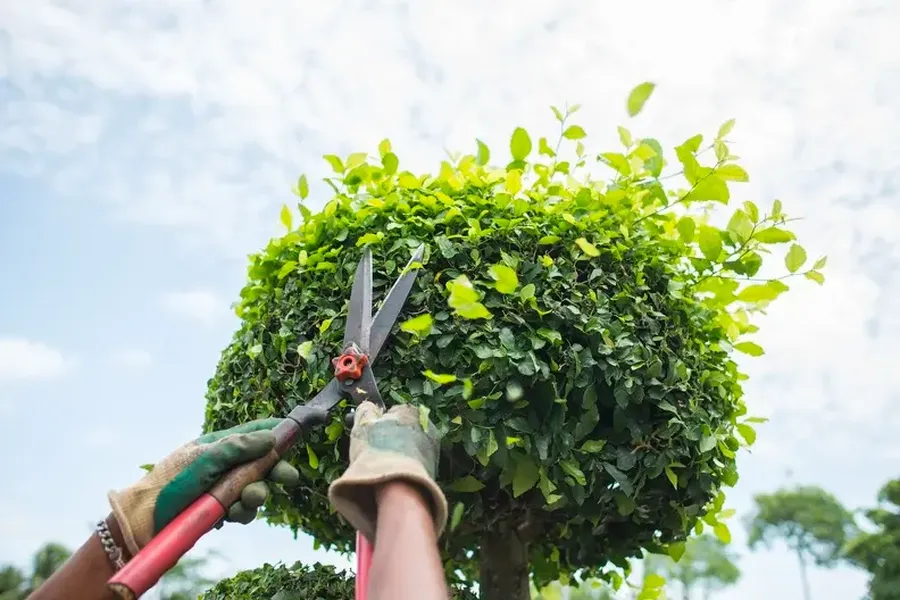
If you already schedule regular bush trimming, you have a good chance to look for disease during that time. Trimming opens up the plant and makes it easier to see hidden trouble.
Step-by-Step: How to Identify and Treat Shrub Diseases
Follow these steps to find the issue and choose the right fix.
- Look at the leaves. Check for yellowing, brown spots, holes, or a white powdery layer. Spots can point to fungal disease. Yellow leaves may mean root stress or poor drainage.
- Check the stems and branches. Look for cracks, peeling bark, or blackened tips. Dead tips often show up first on stressed shrubs.
- Inspect the base of the plant. Gently pull back mulch and check the soil. If it smells bad or feels soggy, root rot may be present.
- Prune affected areas. Cut off diseased branches a few inches below the damaged section. Clean your shears between cuts.
- Adjust watering habits. Water deeply but less often. Avoid soaking the leaves, especially in the evening.
- Improve air flow. Light bush trimming helps sunlight and air move through the plant. This slows fungal growth.
For minor leaf spot or mildew, removing damaged parts and correcting watering habits is often enough. For severe infections that spread fast, you may need a store-bought treatment labeled for shrubs.
Common Mistakes to Avoid
Many shrub problems get worse because of simple mistakes. Watch out for these:
- Watering every day, even when soil is still wet
- Piling mulch against the main stem
- Ignoring early signs like a few spotted leaves
- Using dull or dirty trimming tools
- Cutting too much off at once during bush trimming
Overwatering is one of the biggest issues. Wet roots cannot breathe. This leads to rot and attracts pests. Also, heavy trimming during hot summer days can stress shrubs and make them more open to disease.
When to Call a Professional
Some shrub diseases move fast and can spread across your yard. If more than one plant is affected, or if the shrub has large dead sections, expert help may save the plant.
You may also want help if:
- The shrub is tall and hard to reach safely
- The base of the plant feels soft or hollow
- You see fungus growing from the trunk
- Past treatments have not worked
A trained eye can tell the difference between insect damage, disease, and soil problems. A professional can also plan careful bush trimming that supports healthy growth instead of adding stress.
Final Recommendation and Support
If your shrubs in Winchester, VA are showing signs of stress, I can help you figure out the cause and take the right steps to fix it. At Javier Tree Company, I focus on careful inspections and proper bush trimming that protects the long-term health of your plants. Call me at (540) 208-0012 to schedule a visit or ask a question about your yard. I am happy to take a look and guide you toward a simple, clear plan.