
How Regular Care Helps Stop Insects and Plant Infections
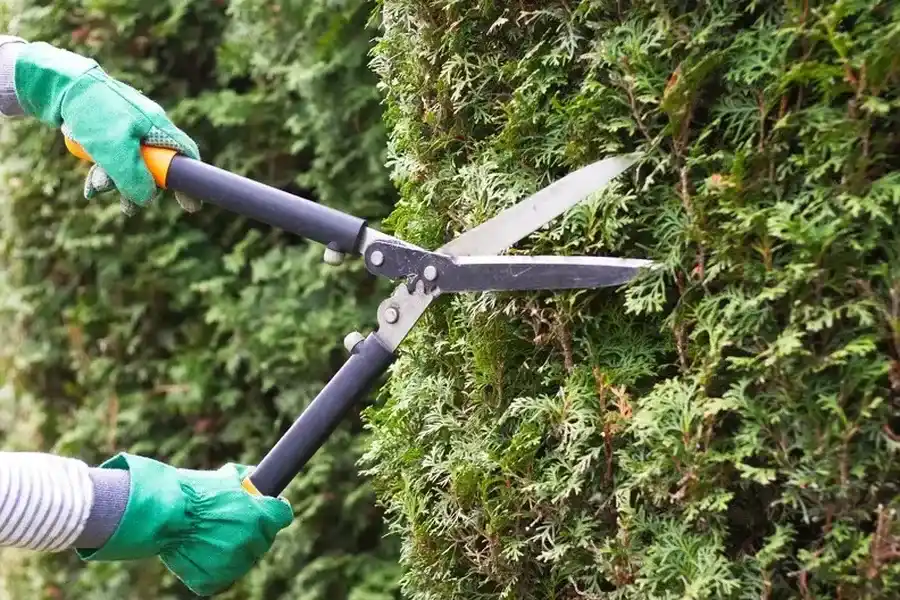
Bush trimming helps control pests and plant diseases by removing weak growth, improving airflow, and letting in more sunlight. When shrubs are thick and overgrown, they trap moisture and create hiding spots for insects. Regular trimming cuts down these problem areas and keeps plants stronger. Healthy plants are less likely to get sick or attract bugs in the first place.
Why Prevention Matters
Many pest and disease problems start small. You might not notice them until leaves turn yellow or branches start to die. By then, the issue may have spread to other plants in your yard.
Bush trimming works as a simple prevention step. It removes dead or crowded branches where insects lay eggs. It also lowers the chance of mold and fungus growing in damp, shaded spots. When shrubs have space to breathe, they dry faster after rain. That alone can stop many common plant diseases.
Early Warning Signs to Watch For
Before trimming, it helps to know what trouble looks like. Catching signs early can save your shrubs.
- Leaves with holes or chewed edges
- Sticky residue on leaves
- Black, white, or gray powder on stems
- Branches that look dry or brittle
- Thick inner growth with little sunlight
If you see any of these signs, bush trimming may be part of the fix. Removing affected areas can slow the spread and give the plant a better chance to recover.
Seasonal Trimming Checklist
Trimming on a routine schedule keeps shrubs in better shape year-round. Here is a simple guide many homeowners follow:
- Inspect shrubs at the start of each season.
- Remove dead, broken, or diseased branches first.
- Thin out crowded areas to improve airflow.
- Cut back long outer growth to maintain shape.
- Clean up all trimmed debris from the ground.
Spring and early summer are common times for trimming most bushes. Light touch-ups in the fall can also help. The right timing depends on the plant type, but regular checks make a big difference.
Best Practices for Long-Term Results
Proper bush trimming is more than just cutting branches. The way you trim matters.
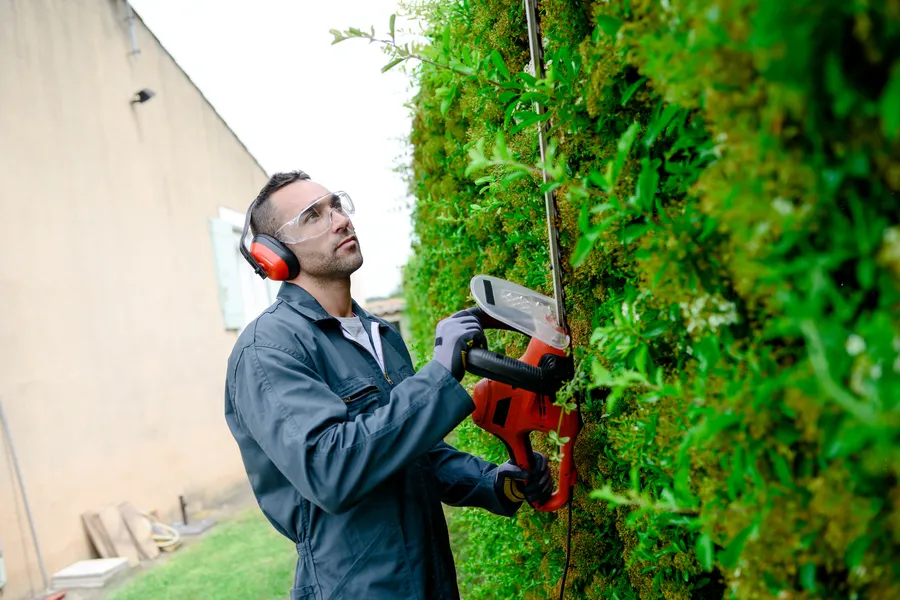
Always use sharp, clean tools. Dull blades tear branches and leave rough wounds. Clean cuts heal faster and are less likely to get infected. Disinfect tools if you cut away diseased growth. This helps stop germs from spreading to healthy parts of the plant.
Do not remove more than one-third of a shrub at one time. Cutting too much can stress the plant. A stressed plant becomes weaker and more open to pest attacks.
Also, avoid trimming when plants are wet. Wet conditions can spread fungal spores from one branch to another. Wait until shrubs are dry before starting any landscaping work.
What Not to Do
Some trimming habits can lead to more problems instead of fewer.
- Do not shear the outside only and ignore thick inner growth.
- Do not leave trimmed branches piled at the base.
- Do not cut random branches without a plan.
- Do not use dirty or rusty tools.
Piles of debris attract insects and trap moisture. Ignoring the inside of the shrub keeps airflow blocked. Careless cuts can leave gaps that weaken the plant’s natural shape. Thoughtful trimming gives better results and better pest control.
When to Schedule Professional Help
Some situations call for expert care. If pests keep coming back, the problem may be deeper than simple overgrowth. Large shrubs, thorny bushes, or plants near power lines can also be risky to handle alone.
A trained professional can spot disease patterns that are easy to miss. They can trim safely and shape shrubs in a way that supports long-term health. If your yard has several different plant types, professional landscaping support can help create a trimming plan that fits each one.
Protect Your Shrubs With Smart Care
If you live in Winchester, VA, regular shrub care can help protect your yard from common insects and plant diseases. At Javier Tree Company, I provide careful bush trimming focused on plant health and long-term prevention. Call me at (540) 208-0012 to schedule service or ask questions about your shrubs.